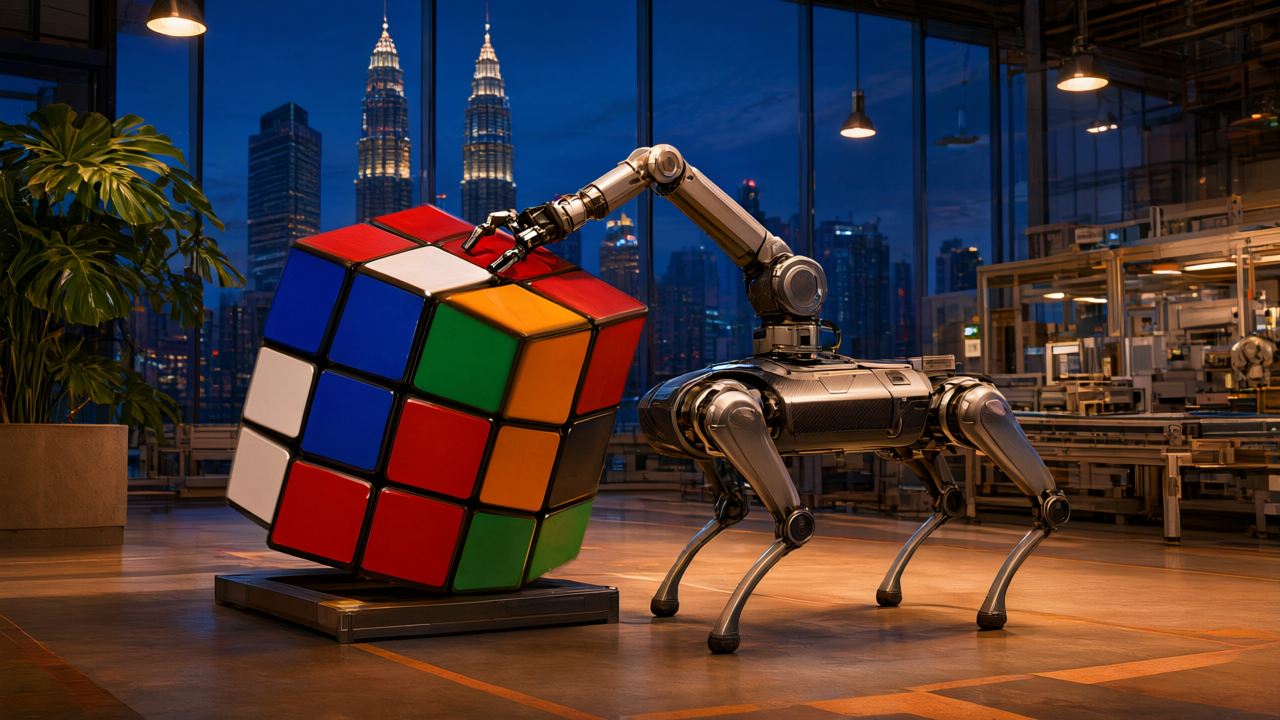
Eka Robotics Raises $150M to Teach Robots the Feel of Physical Work
The startup's vision-force-action model targets the one thing most robot AI still lacks — a sense of touch and force.
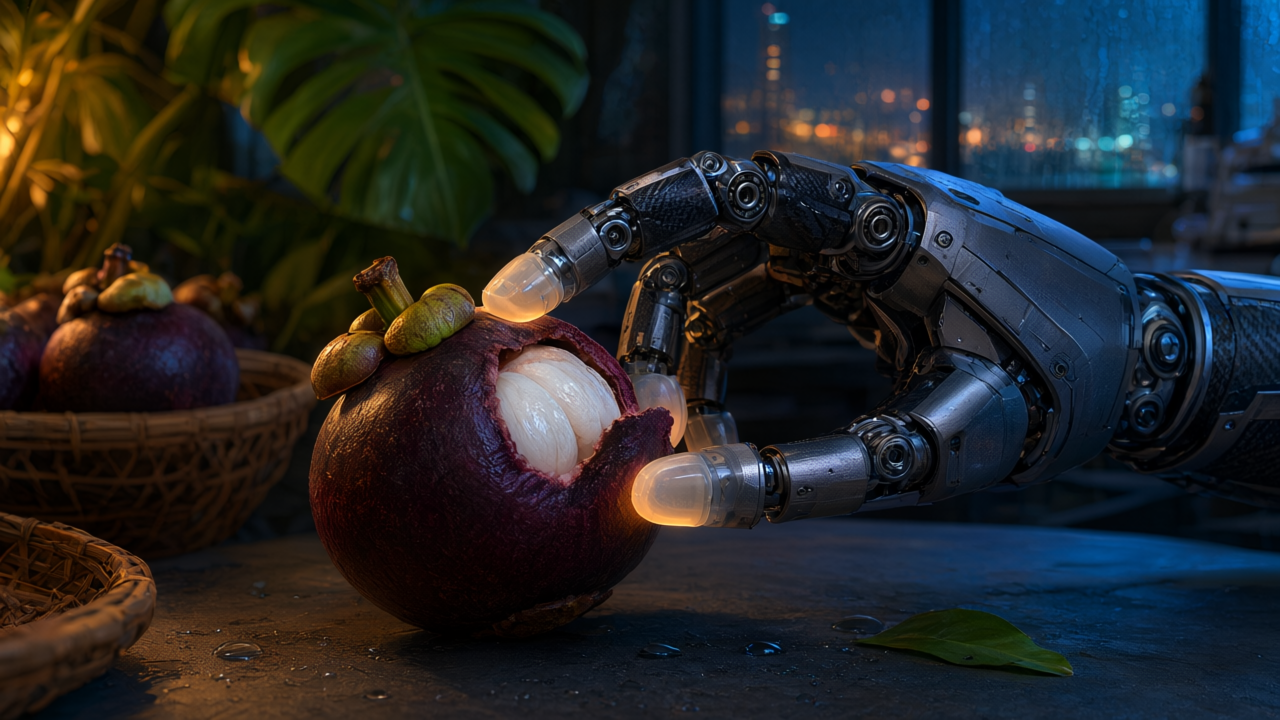
Eka Robotics has raised $150 million to scale its vision-force-action (VFA) model, a robot "brain" designed to develop an intuition for physics through large-scale reinforcement learning, according to The Robot Report. Unlike most robot AI, which relies heavily on cameras, a VFA model also learns from force — the pressure and resistance a robot arm feels when it grips, pushes, or inserts something. That matters because the highest-value factory tasks, like connector insertion, clip snapping, and delicate assembly, are force problems, not just vision problems. For Malaysian manufacturers in Penang, Kulim, Shah Alam, and Johor, this is a signal that flexible, general-purpose factory robots are moving closer to commercial reality — but there is nothing to buy yet. The right response this quarter is a task audit and pilot planning, not procurement.
AI Summary
Eka Robotics has raised $150 million to scale its vision-force-action (VFA) model, a robot "brain" designed to develop an intuition for physics through large-scale reinforcement learning, according to The Robot Report. Unlike most robot AI, which relies heavily on cameras, a VFA model also learns from force — the pressure and resistance a robot arm feels when it grips, pushes, or inserts something. That matters because the highest-value factory tasks, like connector insertion, clip snapping, and delicate assembly, are force problems, not just vision problems. For Malaysian manufacturers in Penang, Kulim, Shah Alam, and Johor, this is a signal that flexible, general-purpose factory robots are moving closer to commercial reality — but there is nothing to buy yet. The right response this quarter is a task audit and pilot planning, not procurement.
Key Takeaways
- Eka Robotics raised $150M specifically to scale a vision-force-action model — an AI system that learns from what robots see AND what they feel through force sensors, not cameras alone.
- The model aims to build "an intuition of physics" via reinforcement learning at scale: robots learning physical skills through massive trial and error, the way a person learns by doing, not by following a manual.
- Force is the missing sense in robotics. Most robot foundation model research is vision-first; contact-heavy tasks in assembly, packing, and machine tending are where vision-only approaches break down.
- A $150M raise for a single model developer tells you investors now treat robot "brains" as a product category — similar to how large language models (LLMs) became a licensed, deployable layer across industries.
- Nothing here is shelf-ready. Malaysian factories should audit their contact-rich manual tasks now, pilot conventional collaborative robots where the maths works, and track this field quarterly.
What Happened
Eka Robotics, a startup building AI models for robots, has raised $150 million to scale its vision-force-action (VFA) model, The Robot Report reported. The stated goal: develop an intuition of physics through reinforcement learning at scale.
Let's unpack that in
Sources & References
AIBlog summarises and analyses published information. We do not reproduce full source text. Analysis is editorial and not financial or legal advice.