Robots Are Learning to Feel — Why Touch Is the Next Front in Automation
A global race to build tactile data for robots is targeting the one job machines still cannot do: handle the real world the way human hands do.
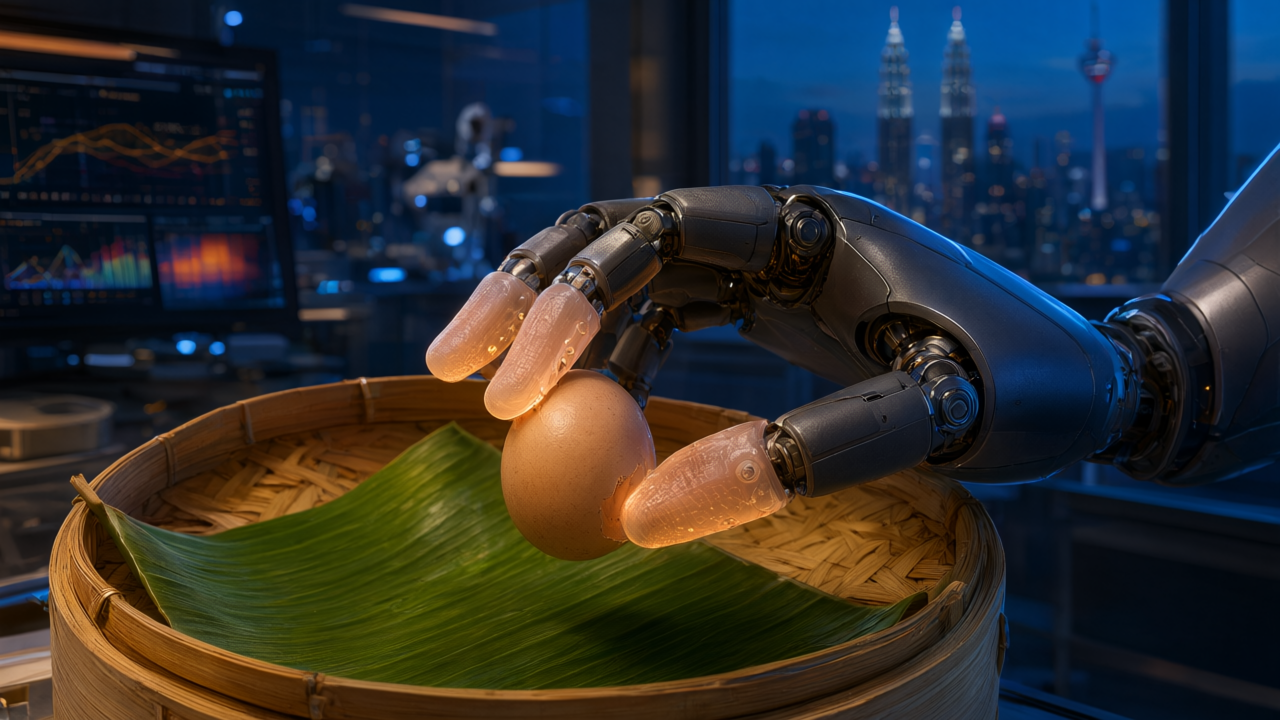
Robots still fail at everyday physical tasks — packing mixed items, plugging in connectors, handling delicate parts — because they cannot feel what they are touching. According to an IEEE Spectrum report, academic labs and startups are now racing to build the missing ingredient: large, high-quality tactile datasets and the techniques to use them, following the path that vision-language-action (VLA) models opened for camera-driven robot control. For Malaysian readers of AI news Malaysia trusts for decisions, the signal is clear: the next automation wave will reach the dexterity-heavy work in Penang's electronics plants, glove factories, and e-commerce warehouses that robots have never been able to touch — pun intended. The technology is early. The practical move this quarter is not buying, but preparing your processes and data.
AI Summary
Robots still fail at everyday physical tasks — packing mixed items, plugging in connectors, handling delicate parts — because they cannot feel what they are touching. According to an IEEE Spectrum report, academic labs and startups are now racing to build the missing ingredient: large, high-quality tactile datasets and the techniques to use them, following the path that vision-language-action (VLA) models opened for camera-driven robot control. For Malaysian readers of AI news Malaysia trusts for decisions, the signal is clear: the next automation wave will reach the dexterity-heavy work in Penang's electronics plants, glove factories, and e-commerce warehouses that robots have never been able to touch — pun intended. The technology is early. The practical move this quarter is not buying, but preparing your processes and data.
Key Takeaways
- Dexterous manipulation — adjusting grip on irregular, fragile, or variable objects — is the single biggest barrier keeping robots out of everyday tasks, per the IEEE Spectrum report.
- The bottleneck is not touch sensors
Sources & References
AIBlog summarises and analyses published information. We do not reproduce full source text. Analysis is editorial and not financial or legal advice.