Humanoid Robots Start Cleaning Homes as Samsung Builds for the AI Chip Boom
MIT Technology Review's latest daily digest pairs a hands-on humanoid cleaning demo with Samsung's manufacturing buildout — two ends of the same AI stack.

MIT Technology Review's daily newsletter, The Download (6 November 2026), carried two stories that belong together. First, its journalist Grace Huckins watched a humanoid robot clean her apartment through a new commercial robot cleaning service she discovered via an X post — and described it as "a taste of the future." Second, Samsung is expanding manufacturing capacity to serve the AI chip boom. One story shows AI gaining a body; the other shows the industrial base being poured underneath it. For Malaysian readers, the pair touches both the Penang–Kulim semiconductor corridor and the future of commercial cleaning, facilities management, and factory labour.
AI Summary
MIT Technology Review's daily newsletter, The Download (6 November 2026), carried two stories that belong together. First, its journalist Grace Huckins watched a humanoid robot clean her apartment through a new commercial robot cleaning service she discovered via an X post — and described it as "a taste of the future." Second, Samsung is expanding manufacturing capacity to serve the AI chip boom. One story shows AI gaining a body; the other shows the industrial base being poured underneath it. For Malaysian readers, the pair touches both the Penang–Kulim semiconductor corridor and the future of commercial cleaning, facilities management, and factory labour.
Key Takeaways
- A humanoid robot has cleaned a real journalist's apartment as part of a new commercial cleaning service — a shift from trade-show demos to paid household work, even if still early-stage.
- The business model matters more than the robot: the customer buys "a cleaned apartment," not a machine. That removes the upfront cost barrier that has stalled robotics adoption.
- Samsung is spending on manufacturing capacity to meet AI-driven chip demand — a supply-side bet by one of the world's largest memory and contract chip makers that AI demand is durable.
- The two stories are the same stack: more AI services need more chips; more capable chips make embodied robots like the cleaner possible.
- Malaysia sits in the path of both: chip packaging and test work concentrated in Penang and Kulim, and a large facilities-management and manufacturing sector that will eventually price robotic labour.
What Happened
Two items ran in the 6 November 2026 edition of The Download, MIT Technology Review's weekday technology newsletter.
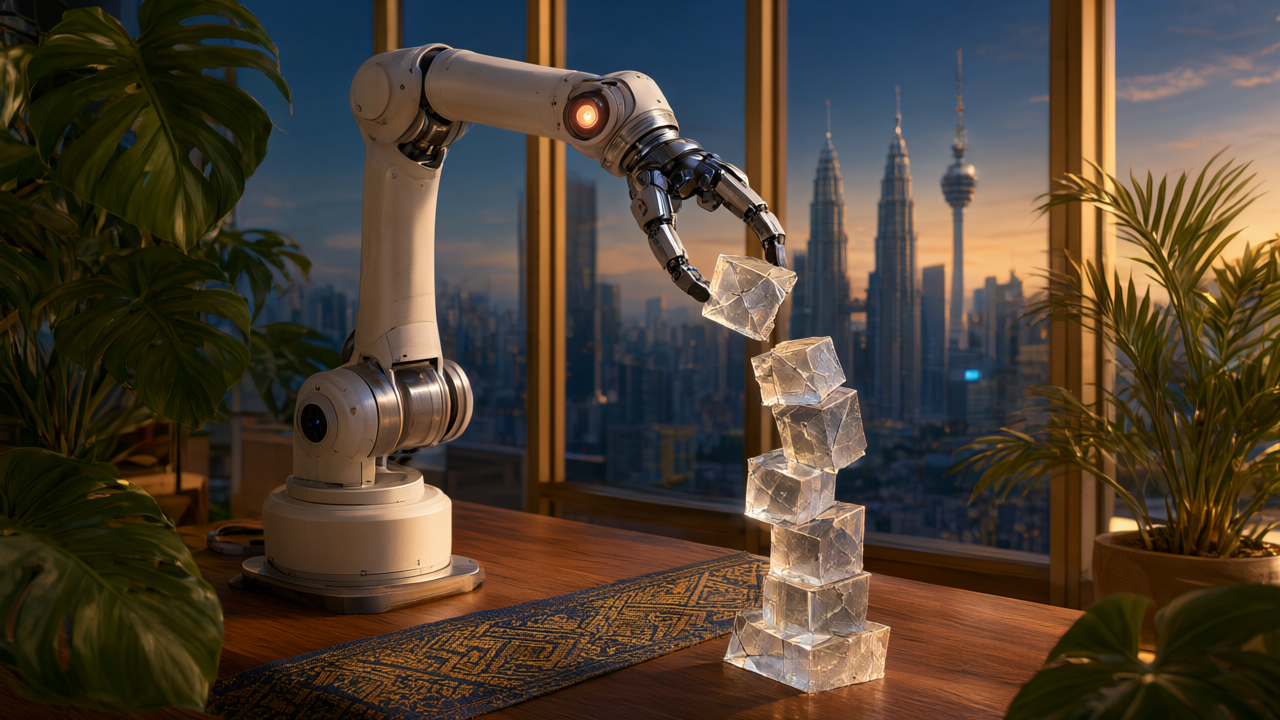
The first is a first-person account by Grace Huckins. She saw a post on X about a new humanoid-robot cleaning service, arranged to try it, and watched the robot clean her apartment. Her verdict was measured but telling: it felt like "a taste of the future." Details such as pricing, city coverage, and fleet size were thin at publication, so this should be read as a first look at a commercial service in its early days — not a mass-market launch.
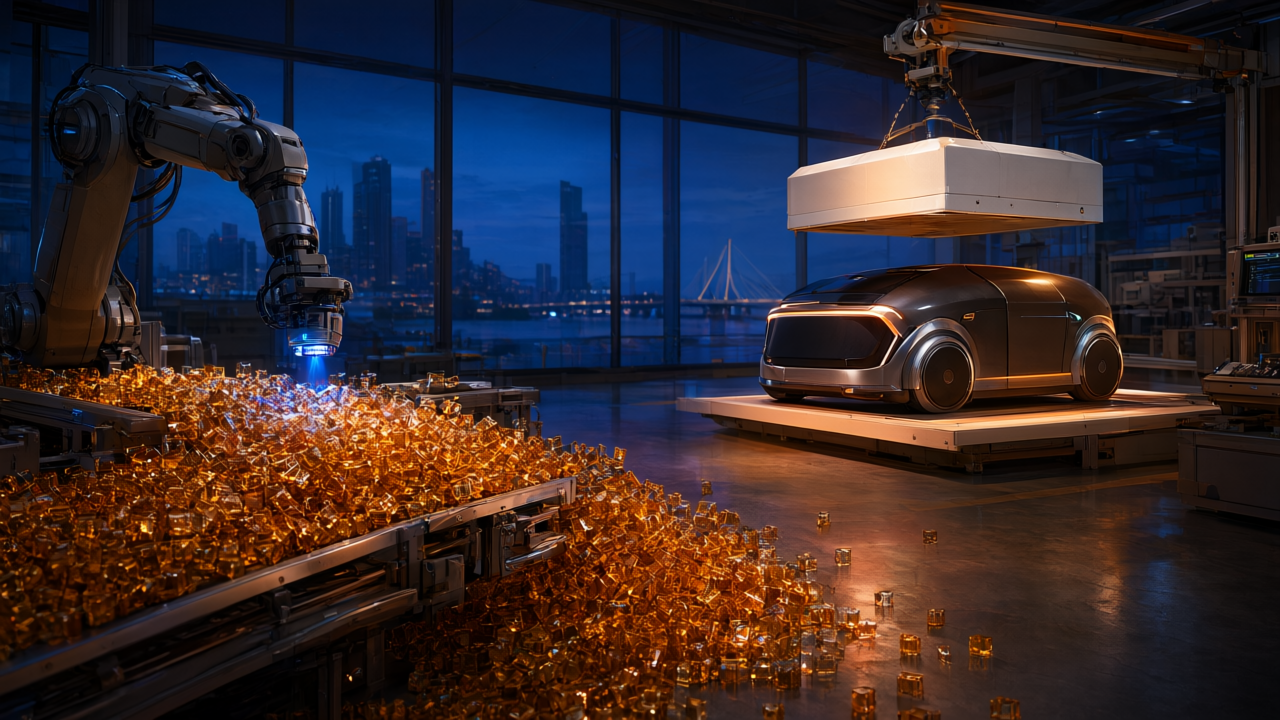
The second item covers Samsung building for the AI boom. Samsung, for context, is one of the world's largest memory chipmakers and also runs a contract chip manufacturing business. The newsletter's framing — an "AI chip boom" — signals that Samsung is adding production capacity to meet demand created by AI systems, which consume large volumes of advanced silicon.
Neither item is earth-shattering alone. A robot cleaned a flat. A chipmaker
Sources & References
AIBlog summarises and analyses published information. We do not reproduce full source text. Analysis is editorial and not financial or legal advice.