How LangChain Built an Autonomous AI Agent to Manage Kubernetes
The engineering team created a system that diagnoses and fixes cloud infrastructure problems while keeping human operators in control.
LangChain recently published a detailed breakdown of how they built an autonomous Site Reliability Engineering (SRE) agent to manage Kubernetes deployments. The system uses advanced reasoning to diagnose cluster issues and draft fixes, but it strictly enforces a "human-in-the-loop" approval process before making any actual changes to the infrastructure. This architecture pairs autonomous problem-solving with strict observability tools like LangSmith, ensuring every AI decision is tracked and tested. For Malaysian enterprises and tech companies operating in the Klang Valley and Penang, this marks a practical shift from using AI as a simple chatbot to deploying it as a functional operations worker.
AI Summary
LangChain recently published a detailed breakdown of how they built an autonomous Site Reliability Engineering (SRE) agent to manage Kubernetes deployments. The system uses advanced reasoning to diagnose cluster issues and draft fixes, but it strictly enforces a "human-in-the-loop" approval process before making any actual changes to the infrastructure. This architecture pairs autonomous problem-solving with strict observability tools like LangSmith, ensuring every AI decision is tracked and tested. For Malaysian enterprises and tech companies operating in the Klang Valley and Penang, this marks a practical shift from using AI as a simple chatbot to deploying it as a functional operations worker.
Key Takeaways
- LangChain successfully deployed an autonomous AI agent to handle complex Kubernetes management tasks, reducing the manual workload on Site Reliability Engineers.
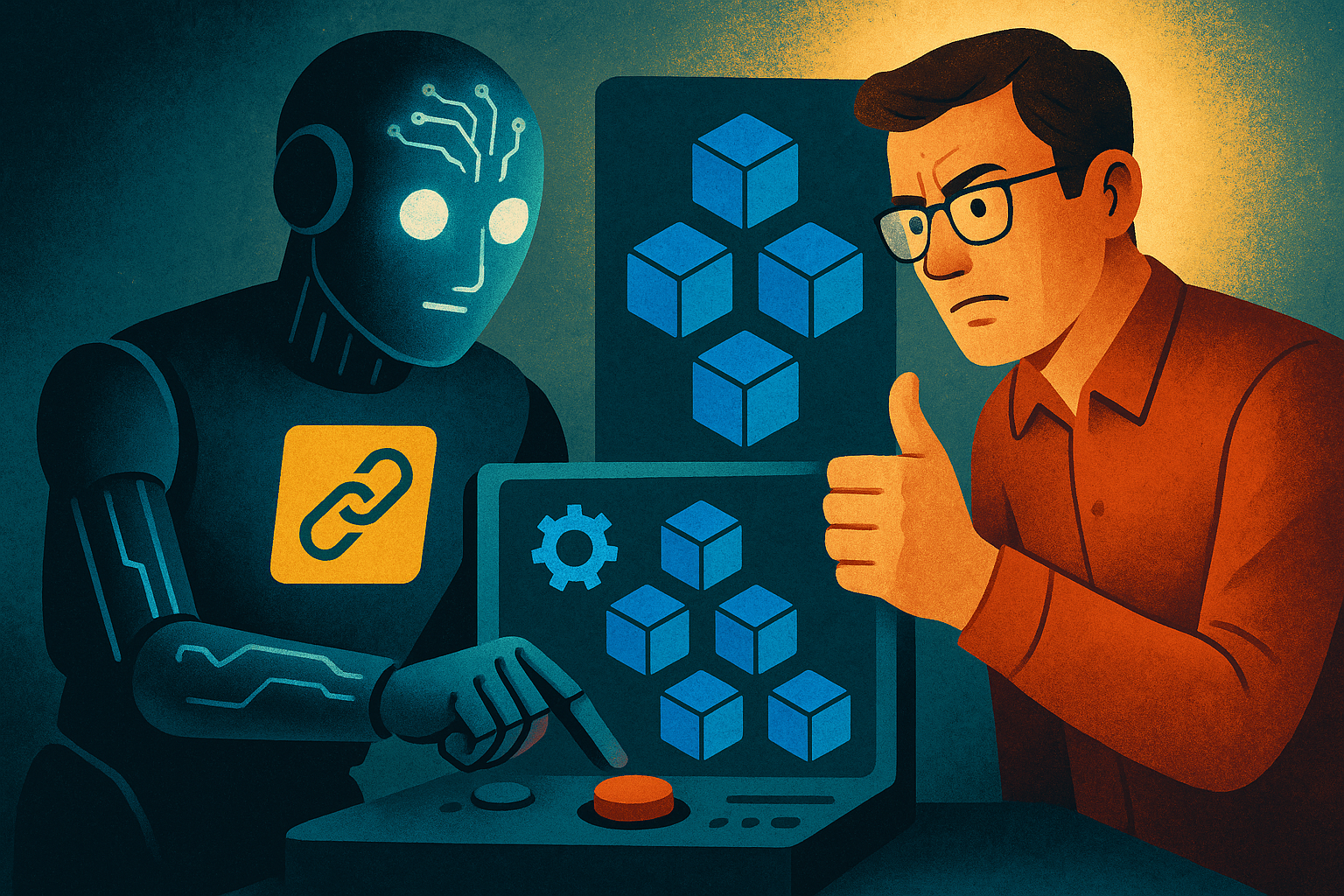
- The system operates on a "human approval for changes" model—the AI diagnoses the problem and writes the code to fix it, but a human engineer must authorize the execution.
- The team relies heavily on LangSmith tracing and rigorous evaluations to track the AI's step-by-step reasoning and prevent unpredictable actions.
- This development directly addresses the severe global and local shortage of specialized cloud talent by turning senior SRE knowledge into an automated workflow.
- Malaysian tech firms can adopt this exact architecture to secure their cloud infrastructure and reduce reliance on expensive, hard-to-find technical headcount.
What Happened
LangChain, a prominent company in the AI development space, shared a technical deep dive into how they created an autonomous AI agent focused on Site Reliability Engineering (SRE). An SRE is the person responsible for keeping a company's software and servers running smoothly. They handle outages, fix bugs, and ensure websites do not crash. LangChain targeted this role because it involves sifting through massive amounts of system logs and writing specific commands to fix issues—a time-consuming task for human engineers.
To automate this, LangChain built the agent using their "Deep Agents" framework. This is not a simple chatbot that answers IT questions. It is an autonomous system designed to interact directly with Kubernetes. Kubernetes is a highly complex, widely used software that organizes and manages hundreds or thousands of computer containers (the small packages that run software applications). When something breaks in Kubernetes, finding the root cause is notoriously difficult.
The LangChain agent connects directly to the Kubernetes environment. When an error occurs, the agent autonomously reads the error logs, identifies what went wrong, and writes the specific code or command needed to fix the deployment. Crucially, the system enforces human approval for changes. The agent prepares the exact fix, but a human engineer must review the proposal and click "approve" before the AI is allowed to touch the live system. To ensure the AI behaves correctly, the engineering team built strict evaluations—automated tests that check the AI's logic—and used a tool called LangSmith tracing, which acts like an airplane's black box, recording every step the AI takes to reach its conclusion.
Why It Matters
Kubernetes is the engine room of the modern internet. Large enterprises, e-commerce platforms, and financial institutions run their critical applications on it. The problem is that Kubernetes is incredibly difficult to manage. A single typo in a configuration file can take down an entire national e-commerce platform. Because of this complexity, senior SREs who specialize in Kubernetes are among the highest-paid professionals in the tech industry.
By building an agent that can autonomously diagnose and draft fixes for Kubernetes, LangChain proves that AI can handle deep, highly technical operational work. This matters because it changes the economics of running large tech stacks. Instead of hiring five senior engineers to sit and wait for a system to break, a company can have one engineer oversee an AI agent that monitors 50 different systems simultaneously.
The architecture also solves the biggest fear business leaders have about AI: the risk of unpredictable actions. By enforcing "human approval for changes" and using LangSmith tracing, LangChain created a safe environment for AI deployment. The AI does the heavy lifting of reading thousands of lines of logs and writing the complex fix, but a human remains the final gatekeeper. This builds the necessary trust for companies to actually use autonomous AI in their live, customer-facing environments.
What This Means for Malaysia
Malaysia is experiencing a massive boom in data center construction, particularly across Johor and the Klang Valley. As global tech giants like Microsoft, Google, and Amazon set up local infrastructure, the demand for local cloud engineering talent has skyrocketed. Malaysian companies operating in this space—from local fintech startups to large enterprises like Maybank or Petronas—are all competing for the same small pool of Kubernetes experts.
The LangChain SRE agent architecture offers a direct solution to this local talent shortage. A Malaysian software company does not need to hire a costly Kubernetes specialist for every single project. Instead, they can deploy an SRE agent to monitor their systems. A mid-level developer can manage the agent's outputs. The AI does the work of the expensive specialist, allowing the Malaysian company to keep its operational costs low while scaling its services.
Furthermore, this aligns perfectly with Malaysia's national digital push under the MyDIGITAL blueprint and MDEC's goals to upskill the local workforce. By integrating AI agents into daily operations, local companies can train their existing IT staff to become "AI supervisors" rather than just manual troubleshooters. This elevates the Malaysian tech workforce, allowing local firms to compete with regional hubs like Singapore on technical capability without matching their high salary brackets. However, local firms must ensure that feeding server logs to these AI agents complies with the Personal Data Protection Act (PDPA) 2010, meaning sensitive customer data hosted on those servers must be masked from the AI model.
How Your Business Can Use This
If your business runs custom software, e-commerce platforms, or internal applications on cloud servers, you can start building toward this architecture today. You do not need to jump straight into managing Kubernetes, but you can adopt the "human-in-the-loop" agent framework for your IT operations.
Start by identifying your most frequent, repetitive IT tickets. Perhaps your customer service app frequently crashes due to database connection limits, or your server runs out of storage space during month-end processing. You can build an AI agent using LangChain's
Sources & References
AIBlog summarises and analyses published information. We do not reproduce full source text. Analysis is editorial and not financial or legal advice.