Google's 'CC' Family AI Agent — What Multi-User AI Means for Malaysia
Google's experimental CC agent pools data across family members to plan and complete tasks, and the multi-user agent pattern behind it will reach Malaysian businesses before the product does.
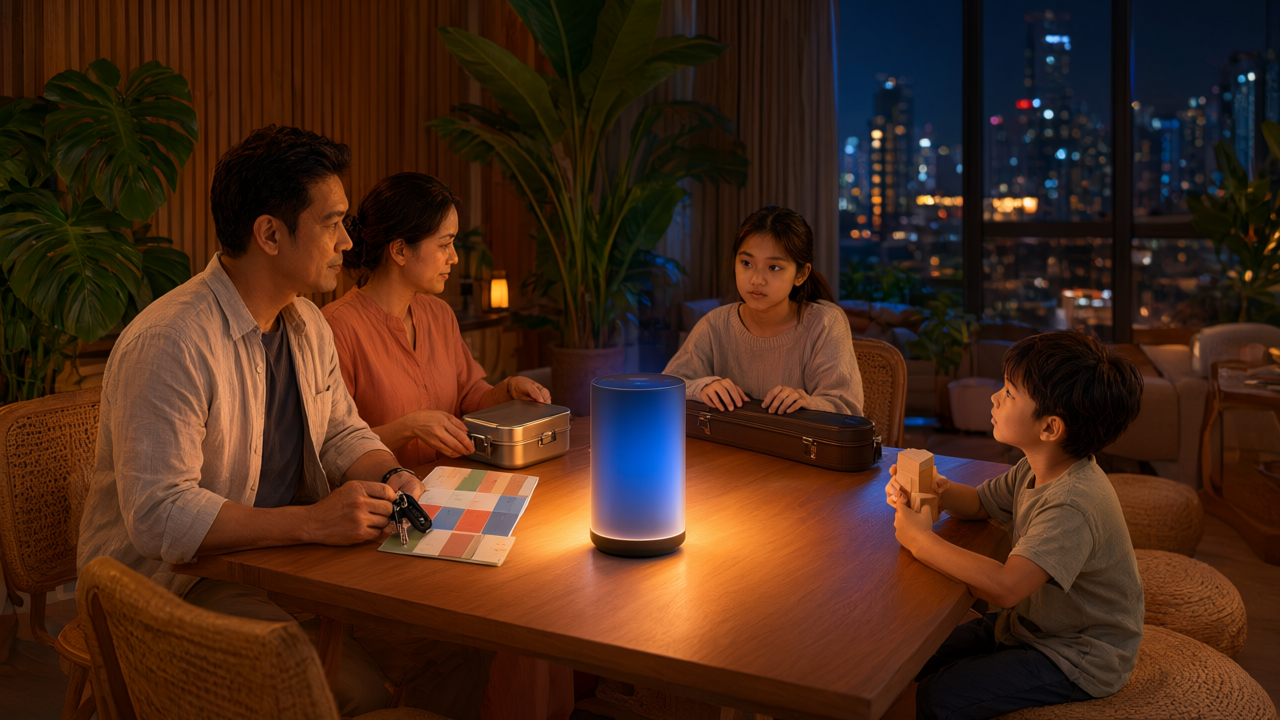
Google has announced CC, an experimental AI agent designed for families. Its defining feature: multiple family members can share their data with the agent so it can make plans and complete tasks on the household's behalf, rather than serving one user at a time. The product itself is early and experimental, but the design pattern — one agent, many users, pooled context, autonomous task execution — is the clearest signal yet that agentic AI is shifting from personal assistants to shared-group agents. For Malaysian businesses, the lesson is not "wait for CC" but "prepare for multi-user AI": consent structures, permissioning, and PDPA compliance will decide who can build this pattern safely. Details on availability, pricing, and which markets get CC first were not covered in the source reporting.
AI Summary
Google has announced CC, an experimental AI agent designed for families. Its defining feature: multiple family members can share their data with the agent so it can make plans and complete tasks on the household's behalf, rather than serving one user at a time. The product itself is early and experimental, but the design pattern — one agent, many users, pooled context, autonomous task execution — is the clearest signal yet that agentic AI is shifting from personal assistants to shared-group agents. For Malaysian businesses, the lesson is not "wait for CC" but "prepare for multi-user AI": consent structures, permissioning, and PDPA compliance will decide who can build this pattern safely. Details on availability, pricing, and which markets get CC first were not covered in the source reporting.
Key Takeaways
- CC is experimental, not a launched product — read it as a direction signal from Google, not a tool you can deploy this quarter.
- The genuinely new element is multi-user data sharing: several people feeding one agent a shared pool of context, so it can plan around everyone's constraints instead of one person's.
- CC plans and completes tasks — that makes it an agent, not a chatbot. The distinction matters because task execution carries real-world consequences when it goes wrong.
- Shared family data changes the privacy question entirely: one member's sharing can expose another member's information, and consent-by-group is legally messy under frameworks like Malaysia's PDPA.
- Malaysian companies should pilot the internal equivalent now — a shared-context agent serving a team or department — with clear data-sharing rules before the pattern arrives in consumer products.
What Happened
Google has announced an experimental AI agent called CC, built for families rather than individuals. According to Ars Technica's coverage of the announcement, the core capability is this: multiple family members can share data with the agent, and that pooled information helps the agent make plans and complete tasks.
That single sentence carries more weight than it looks. Almost every AI assistant on the market today — chatbots included — is fundamentally a single-user product. Your chat history, your preferences, your account. CC's premise is different. The unit of AI
Sources & References
AIBlog summarises and analyses published information. We do not reproduce full source text. Analysis is editorial and not financial or legal advice.