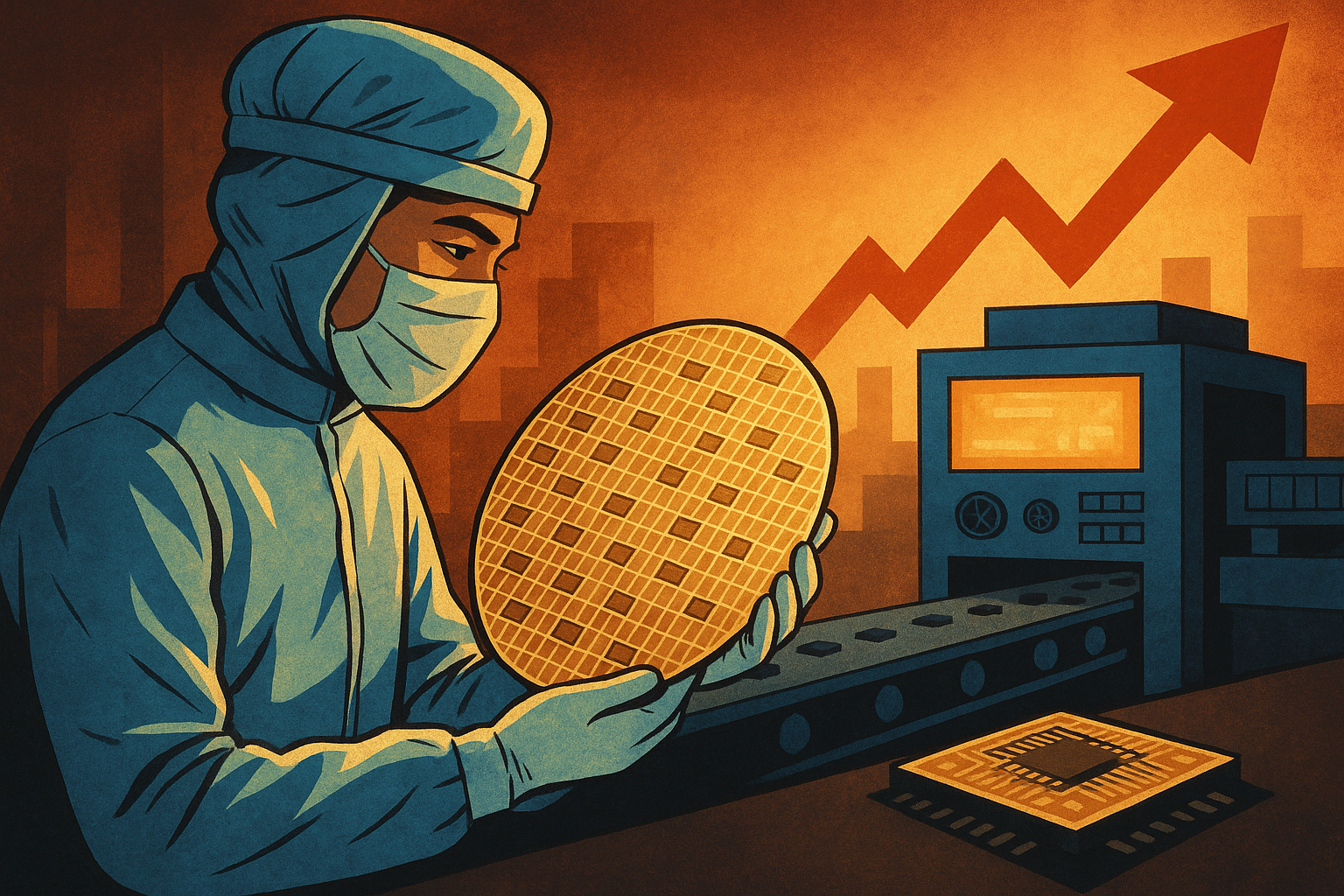
From Lab to Market: How Malaysian Homegrown Tech Makes the Leap
Malaysia's real AI problem is not invention — it is commercialisation, and industry partnerships are the bridge.
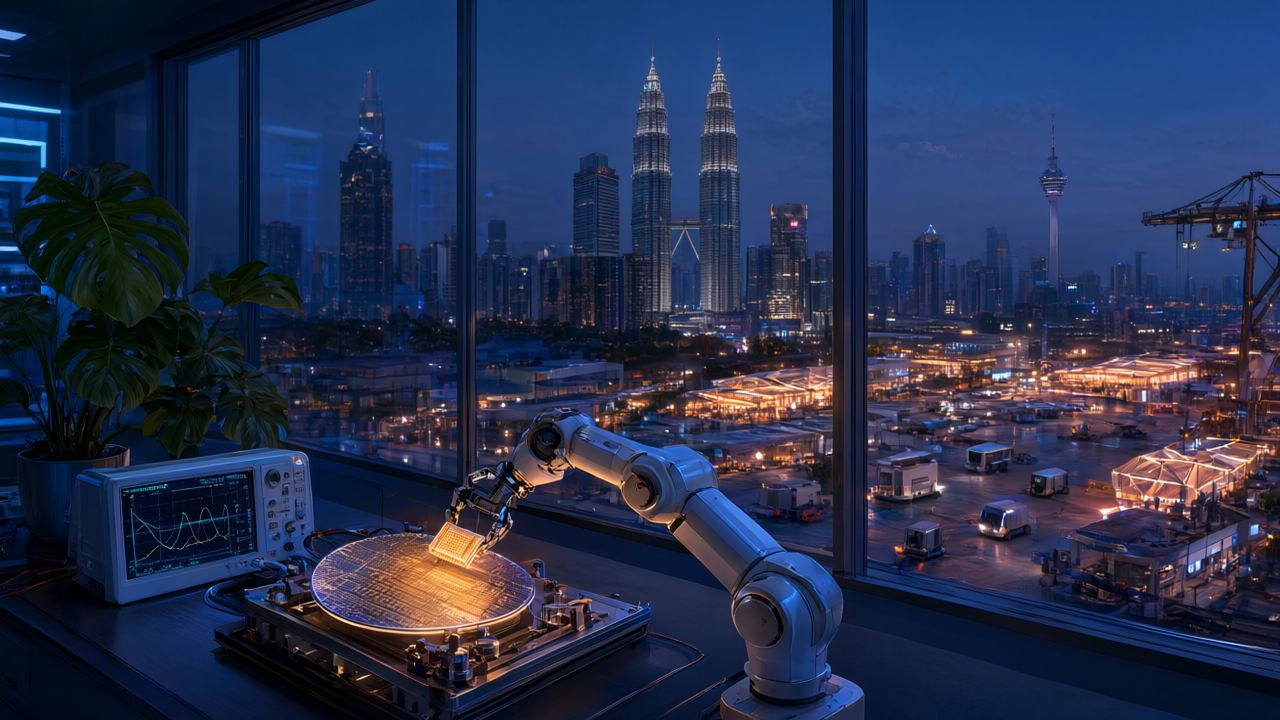
Malaysia does not lack homegrown technology. According to a Digital News Asia analysis, the country has built real capability in microelectronics, ICT, artificial intelligence, and digital systems — but capability alone does not create revenue. The piece argues that moving deep-tech from R&D to commercialisation requires deliberate pathways, and that industry partnerships are what convert homegrown technologies into market-ready products. For Malaysian businesses, the practical reading is this: you do not have to invent anything to benefit. Being a demanding first customer to local research output is one of the highest-leverage moves available this year. This article unpacks the argument and adds Malaysia-specific context and an agentic AI angle for readers following AI news Malaysia.
AI Summary
Malaysia does not lack homegrown technology. According to a Digital News Asia analysis, the country has built real capability in microelectronics, ICT, artificial intelligence, and digital systems — but capability alone does not create revenue. The piece argues that moving deep-tech from R&D to commercialisation requires deliberate pathways, and that industry partnerships are what convert homegrown technologies into market-ready products. For Malaysian businesses, the practical reading is this: you do not have to invent anything to benefit. Being a demanding first customer to local research output is one of the highest-leverage moves available this year. This article unpacks the argument and adds Malaysia-specific context and an agentic AI angle for readers following AI news Malaysia.
Key Takeaways
- Malaysia's constraint is commercialisation, not capability. The DNA piece is explicit that homegrown tech exists across microelectronics, ICT, AI, and digital systems — the failure point is the step after invention.
- Industry partnerships are the conversion mechanism. Technologies become market-ready when a company with a real problem absorbs, tests, and shapes them — not when they sit in a lab waiting for a buyer.
- "Deep-tech" means science or engineering breakthroughs that take years to productise (new sensors, materials, AI systems) — as opposed to apps or services built on existing tools. It carries higher risk and higher defensibility.
- For SMEs and corporates, this is a buying strategy, not a research obligation. First customers get customisation, early access, and better pricing in exchange for feedback and case-study rights.
- The commercialisation workflow itself — matching research to industry problems, running pilots, reporting results — is exactly the kind of multi-step work agentic AI can now automate.
What Happened
Digital News Asia published an analysis tackling a question that surfaces repeatedly in Malaysia's tech policy circles: how do homegrown innovations actually make the leap from research to market?
The piece's starting observation is blunt. Malaysia has
Sources & References
AIBlog summarises and analyses published information. We do not reproduce full source text. Analysis is editorial and not financial or legal advice.