DoorDash AI Agent Orders Are Only in the Hundreds — What That Signals for Agentic Commerce
Rare hard adoption data from one of the world's biggest delivery platforms suggests consumer agentic commerce is being built ahead of demand — and Malaysian businesses should budget accordingly.
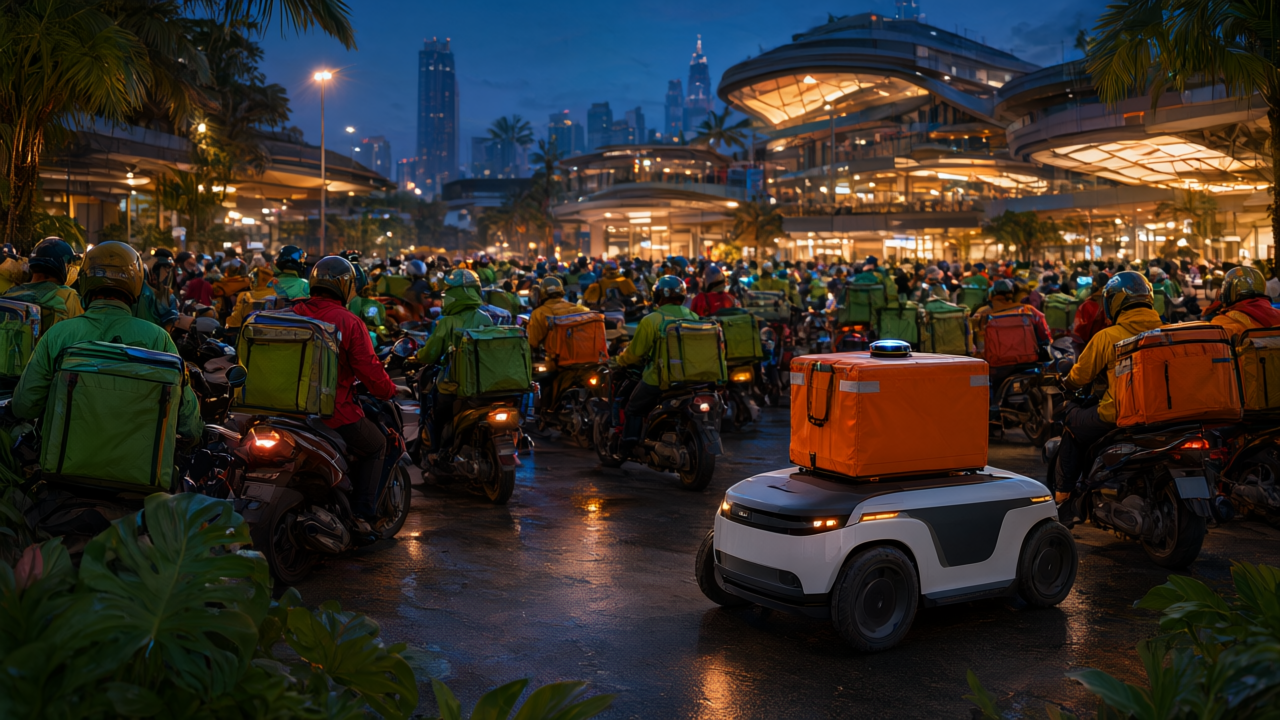
DoorDash says outside AI agents have placed only hundreds of orders on its platform so far, according to Ars Technica. That figure is effectively zero for a food delivery platform of DoorDash's scale, though the company frames it as early days for a relatively new e-commerce use case. The number is a useful reality check: the technical rails for agentic commerce — AI agents browsing, selecting, and paying on a customer's behalf — are being laid faster than consumers are using them. For Malaysian businesses, the practical lesson is to spend now on cheap agent-readiness basics (clean structured data, working APIs, accurate listings) while directing serious agentic AI budgets at internal workflows like reordering and procurement, where returns are already provable.
AI Summary
DoorDash says outside AI agents have placed only hundreds of orders on its platform so far, according to Ars Technica. That figure is effectively zero for a food delivery platform of DoorDash's scale, though the company frames it as early days for a relatively new e-commerce use case. The number is a useful reality check: the technical rails for agentic commerce — AI agents browsing, selecting, and paying on a customer's behalf — are being laid faster than consumers are using them. For Malaysian businesses, the practical lesson is to spend now on cheap agent-readiness basics (clean structured data, working APIs, accurate listings) while directing serious agentic AI budgets at internal workflows like reordering and procurement, where returns are already provable.
Key Takeaways
- The hard number: hundreds of orders. Across an entire major delivery platform, outside AI agents have generated only hundreds of orders. As analysis, that is a rounding error against the volume a platform like DoorDash handles in a single day.
- This is a baseline, not a verdict. The use case is new, so the figure tells you where adoption starts — not where it ends. The move is to track it quarterly, not dismiss it.
- Food delivery is the easiest test agentic commerce has. Orders are frequent, low-value, and low-risk. If consumers won't delegate a lunch order, delegating higher-stakes purchases is further away than conference keynotes suggest. (This is my inference, not a source claim.)
- Agent-readiness is cheap insurance. Structured product data, accurate menus and stock levels, and functional APIs cost little. Dedicated agent-ordering channels cost a lot and have no demonstrated demand yet.
- The provable agentic ROI today is internal. Restocking, supplier reordering, and invoice reconciliation have measurable outcomes. Consumer-facing agent ordering does not, yet.
What Happened
Ars Technica reported that DoorDash has disclosed how many orders on its platform have come from outside AI agents: only hundreds so far. These are software agents built by third parties — not DoorDash's own in-app features — that place food orders on a user's behalf.
To understand what that means, it helps to spell out the mechanics. In agentic commerce, a customer tells an AI agent something like "order my usual Friday dinner from the Thai place, keep it under RM60." The agent interprets the request, checks the menu, makes the selection, handles payment details, and confirms — all without the customer opening the delivery app or tapping through a checkout flow. The customer delegates; the agent executes.
DoorDash's own framing, per the report, is that it is still early days for this use case. One caveat worth flagging clearly: we do not know from the source how widely agent access has been opened, so the "hundreds" figure may reflect limited availability as much as limited appetite. It measures what has happened, not necessarily what consumers want. Either way, it is the first concrete adoption number most of us have seen in a space otherwise full of demos and projections.
Why It Matters
Hard adoption numbers are rare in agentic AI. Vendors publish impressive demonstrations; almost nobody publishes usage counts. A platform of DoorDash's stature
Sources & References
AIBlog summarises and analyses published information. We do not reproduce full source text. Analysis is editorial and not financial or legal advice.